


Mental health treatment is not one-size-fits-all. While some individuals may benefit from weekly outpatient therapy, others require more structured, intensive care but may not need full-time hospitalization. This is where a Partial Hospitalization Program (PHP) comes in—a highly structured, intensive day treatment program that provides comprehensive mental health support while allowing individuals to return home at night.
At Greater Boston Behavioral Health, our PHP is designed for individuals needing a higher level of care to manage conditions such as anxiety, depression, mood disorders, and emotional dysregulation. Our program combines evidence-based therapies, medication management, life skills training, and holistic healing practices to foster long-term mental wellness.
This guide provides an in-depth look at PHPs, how they work, who they are best suited for, and what to expect from treatment.
What is a Partial Hospitalization Program (PHP)?
A Partial Hospitalization Program (PHP) is a structured, daytime treatment program that offers intensive therapy and psychiatric support for individuals with moderate to severe mental health challenges. Unlike inpatient hospitalization, PHP participants do not stay overnight; instead, they attend treatment for 5-6 hours per day, 5-6 days a week, and then return home or to a supportive living environment.
PHP acts as a bridge between inpatient hospitalization and outpatient therapy, providing a higher level of care than traditional therapy but without full hospitalization.
Who Can Benefit from a Partial Hospitalization Program?
A PHP is designed for individuals who:
- Require intensive treatment but do not need 24/7 inpatient hospitalization.
- Need structured therapy and medication management to stabilize mental health.
- Have completed an inpatient or residential program and need continued support.
- Are experiencing severe anxiety, depression, or emotional distress.
- Struggle with anger management, mood disorders, or PTSD.
- Need a structured routine to build emotional regulation and coping skills.
PHP is beneficial for individuals with:
- Anxiety disorders (panic attacks, social anxiety, generalized anxiety disorder).
- Depression and mood disorders.
- Anger management issues and emotional dysregulation.
- Post-traumatic stress disorder (PTSD).
- Obsessive-compulsive disorder (OCD).
- Borderline personality disorder (BPD).
- Co-occurring substance use disorders and mental health conditions.
If you or a loved one is struggling with persistent mental health challenges, a PHP at Greater Boston Behavioral Health can provide the support needed for long-term recovery.
How Does a Partial Hospitalization Program Work?
A PHP typically lasts between 2-6 weeks, depending on individual needs. Treatment consists of daily structured therapy sessions, psychiatric care, and holistic wellness practices.
Step 1: Initial Assessment & Treatment Planning
Each participant undergoes a comprehensive mental health evaluation, which includes:
- Psychiatric assessment to determine medication needs.
- Individualized treatment planning based on personal challenges and goals.
- Therapeutic goal-setting for emotional regulation, stress management, and behavioral changes.
Step 2: Structured Daily Treatment Sessions
PHP treatment includes a mix of individual therapy, group therapy, and psychiatric care to address mental health symptoms.
1. Individual Therapy Sessions
One-on-one sessions with a licensed therapist help individuals:
- Understand the root causes of anxiety, depression, and emotional struggles.
- Develop coping strategies for managing stress and emotions.
- Work through past trauma and build emotional resilience.
2. Group Therapy for Peer Support
Group therapy provides individuals with a safe, supportive space to:
- Share experiences and gain insight from others.
- Learn communication and relationship skills.
- Practice emotional regulation techniques with professional guidance.
3. Cognitive Behavioral Therapy (CBT) & Dialectical Behavior Therapy (DBT)
- CBT helps individuals reframe negative thoughts and develop healthier thinking patterns.
- DBT teaches distress tolerance, mindfulness, and emotional regulation strategies.
4. Anger Management Therapy
For individuals who struggle with anger, frustration, or emotional outbursts, therapy focuses on:
- Identifying emotional triggers.
- Developing techniques to manage frustration and impulsivity.
- Using mindfulness and self-soothing strategies to prevent emotional dysregulation.
Step 3: Medication Management (If Needed)
For those requiring medication as part of their treatment plan, PHP includes:
- Regular psychiatric evaluations to monitor effectiveness.
- Medication adjustments to optimize mental health stability.
- Education on safe medication use and potential side effects.
Step 4: Life Skills & Relapse Prevention Training
As individuals progress through PHP, they begin preparing for long-term success by:
- Learning stress reduction techniques and emotional self-regulation.
- Practicing healthy communication and conflict resolution skills.
- Developing relapse prevention strategies for continued emotional stability.
Step 5: Transition to Less Intensive Care
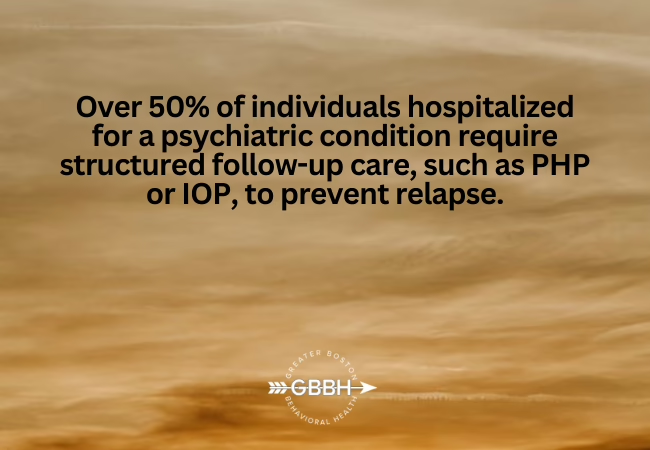
After completing a PHP, many individuals step down to an Intensive Outpatient Program (IOP) or outpatient therapy sessions to continue their progress.
How Does PHP Compare to Other Treatment Options?
PHP provides a higher level of care than outpatient therapy while allowing more flexibility than inpatient treatment.
| Treatment Type | Level of Care | Best For |
|---|---|---|
| Inpatient/Residential Treatment | 24/7 care in a hospital or facility | Individuals in crisis who need immediate, round-the-clock stabilization. |
| Partial Hospitalization Program (PHP) | Intensive therapy 5-6 days per week | Those who need structured support but do not require full hospitalization. |
| Intensive Outpatient Program (IOP) | Therapy several days a week | Individuals transitioning from PHP or needing moderate care. |
| Outpatient Therapy | Weekly or biweekly sessions | Individuals managing mental health with less intensive support. |
A PHP bridges the gap between inpatient hospitalization and outpatient care, making it an ideal choice for those requiring structured therapy and psychiatric support without overnight stays.
The Role of Family and Loved Ones in PHP Treatment
Family and loved ones play an important role in the recovery process. At Greater Boston Behavioral Health, we encourage family involvement through:
- Family therapy sessions to improve communication and understanding.
- Education on mental health conditions and coping strategies.
- Guidance on how to support a loved one in treatment.
Support from family and friends can make a significant difference in long-term recovery outcomes.
Why Choose Greater Boston Behavioral Health for PHP?
At Greater Boston Behavioral Health, we provide evidence-based, compassionate care tailored to individual needs.
- Comprehensive PHP treatment plans with personalized therapy.
- Highly trained mental health professionals dedicated to patient care.
- Evidence-based therapies like CBT, DBT, and anger management therapy.
- Seamless transitions to IOP or outpatient therapy for continued support.
If you or a loved one is struggling with anxiety, depression, or emotional distress, a Partial Hospitalization Program (PHP) at Greater Boston Behavioral Health can provide the structured care needed for healing and recovery.
Take the First Step Toward Healing
A Partial Hospitalization Program (PHP) offers intensive support for individuals seeking structured therapy without inpatient hospitalization. If you or a loved one is experiencing mental health challenges, PHP may be the right step toward lasting recovery.
Call Greater Boston Behavioral Health today at 888.278.0716 to learn more about our PHP and other mental health treatment programs. You are not alone—help is available.
