


I used to say I just had a stressful job. That was the story.
But at some point, the stress stopped being the reason I drank… and drinking became the reason everything felt harder.
If you’re quietly wondering whether it’s getting out of hand, you’re not the only one. Many people who explore options like structured recovery support in Boston start in this exact place: functioning on the outside, unraveling a little on the inside.
The Lie High-Functioning People Tell Themselves
“I’m still handling my responsibilities.”
That line can stretch a long time.
You show up to work. Bills get paid. No dramatic scenes. No public disasters. From the outside, nothing looks like a problem.
But inside, something shifts.
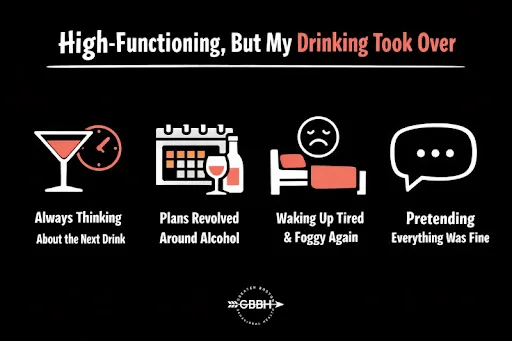
You start thinking about the first drink earlier in the day. You promise yourself you’ll take a night off… then don’t. Weekends become recovery time for the drinking you call “blowing off steam.”
You’re not falling apart.
But you’re not really resting either.
And that quiet tension? It’s exhausting.
When Alcohol Starts Organizing Your Life
This part sneaks up on people.
At first, drinking is something you do after life. Later, life starts shaping itself around drinking.
You might notice things like:
- Planning social plans around places where drinking feels normal
- Feeling irritated when something interrupts your usual drinking routine
- Avoiding events where alcohol isn’t involved
- Calculating how much you can drink without anyone noticing
Nothing about this looks dramatic.
But it starts to feel… tight. Like your life has less space in it.
The Moment You Realize It’s Not Just Stress
For a lot of high-functioning people, the realization doesn’t happen during a crisis.
It happens during something ordinary.
Maybe you’re pouring a drink on a Tuesday night and suddenly noticing how automatic it feels.
Maybe you wake up tired again and realize it’s been months since you felt truly clear.
Or maybe someone casually asks, “You good lately?” and you hesitate before answering.
That pause can be loud.
Because deep down, you know something isn’t working the way it used to.
Why Waiting for “Rock Bottom” Keeps People Stuck
The stereotype of addiction is dramatic collapse.
But many people who eventually seek help never hit a cinematic rock bottom. They just get tired of living in the gray zone.
The constant mental math.
The low-grade anxiety.
The feeling of running your life on 60% energy.
High-functioning people are especially good at tolerating discomfort. They power through.
But powering through doesn’t mean things are okay.
Sometimes it just means you’ve gotten used to carrying something heavy.
What Help Actually Looks Like for Busy Adults
A lot of people imagine treatment as disappearing from their lives.
That fear keeps them stuck.
But many programs today are designed for people who still have careers, families, and responsibilities. They allow you to continue living at home while receiving consistent support during the week.
For many professionals and parents, this kind of multi-day weekly treatment creates something they haven’t had in a long time: structure, accountability, and space to reset.
It’s not about labeling yourself.
It’s about getting your life back from something that slowly took up too much room.
The Quiet Relief People Talk About Later
One thing you hear again and again from people who finally get support:
“I wish I had done it sooner.”
Not because everything was falling apart.
But because the constant internal negotiation stopped. The mental noise quieted down.
Instead of managing drinking, they were managing their lives again.
That kind of relief is hard to explain until you feel it.
You Don’t Have to Wait Until Things Get Worse
If alcohol has slowly become the center of your evenings—or the thing that determines how your week goes—you’re not weak for noticing that.
You’re paying attention.
And paying attention early can change everything.
If you’re exploring whether structured care might help, you can learn more about the intensive outpatient program available through Greater Boston Behavioral Health and what that support can look like for people balancing real life responsibilities.
Call (888) 450-3097 or explore our outpatient recovery support in Boston to learn more about our intensive outpatient program services in Boston.
